Active substance dossier
Hazard characterisation, dRAR sections, and IUCLID submissions for active substance approval and renewal.
dRAR · IUCLID · Renewal
Scientific support for active substances and product dossiers under the EU Biocidal Products Regulation built to be defensible during BPC peer review, not just to clear IUCLID submission.
Built around how dossiers are peer-reviewed not just how they are submitted.
Our biocides work is built around how dossiers are evaluated by State Competent Authorities and the BPC, not just how they are submitted. We design hazard assessments and ED evaluations that anticipate the questions a peer reviewer will raise: how endpoint conclusions are supported, where weight-of-evidence reasoning is constructed, and how the EATS evaluation logic is applied under EFSA/ECHA guidance. The dossier is structured to be defensible during BPC peer review, not just to clear IUCLID submission.
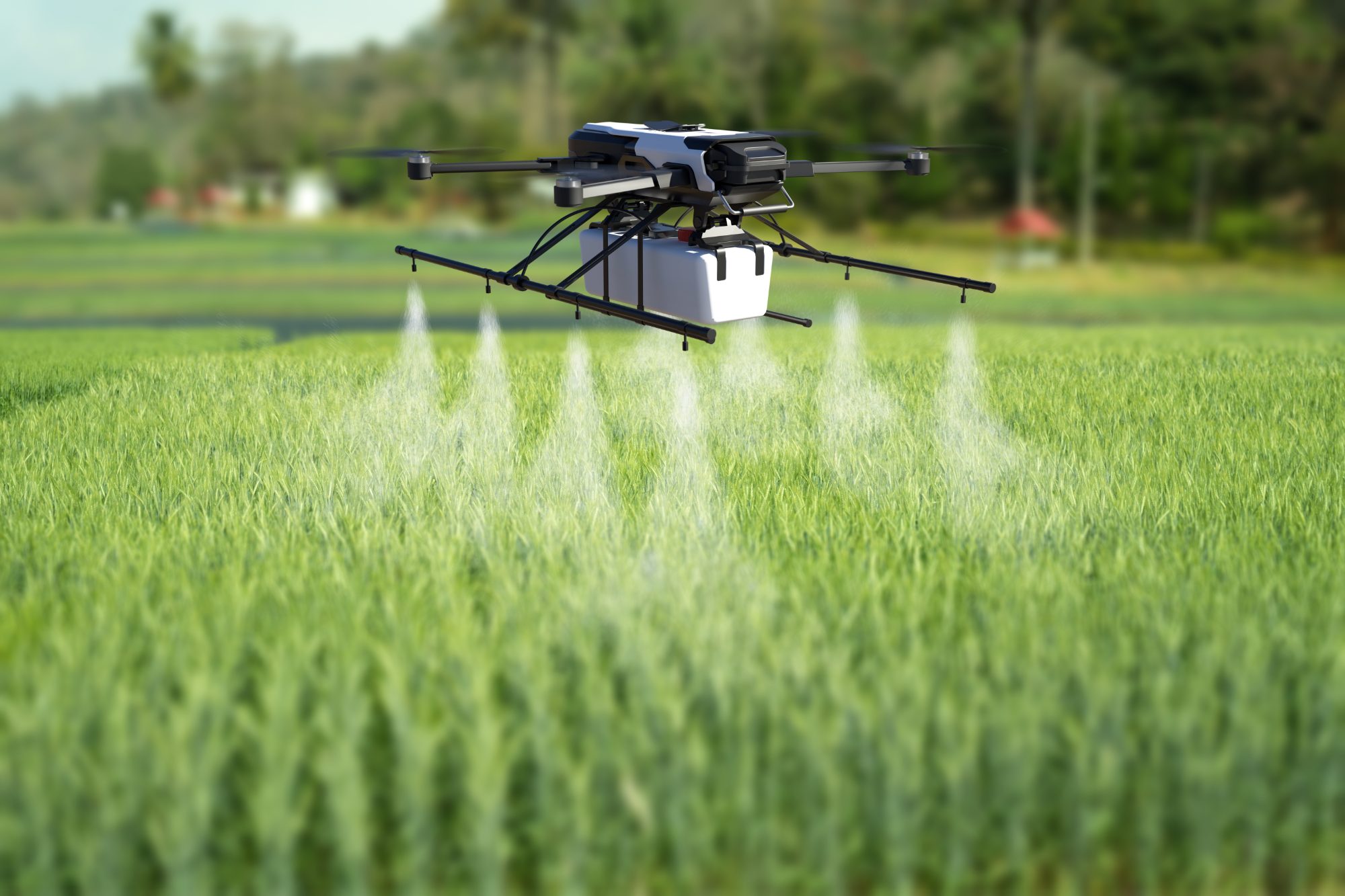
Real use, real exposure the dossier has to hold under the conditions the product is actually placed on the market for.
Active substance preparation through to peer-review defence concrete points in the BPR lifecycle where senior scientific input changes the outcome.
From active substance dossier to BPC peer review the same reasoning, applied at every stage.
An open screening tool for biocidal active substances and co-formulants Annex XIII criteria, ECHA R.11 logic and 2023 CLP PMT / vPvM overlay in one auditable run.

Active substance dossiers in renewal under increased ED scrutiny. Peer review questions that need a scientific defence, not a polite reply. Technical equivalence and impurity relevancy decisions that need formal justification before they reach the Competent Authority. We also support consortia and task forces preparing collective active substance work.
An active substance under BPR renewal was queried on its ED conclusions and the technical equivalence justification for an alternative manufacturing source. The renewal clock was already running.
Two open fronts at once: an ED conclusion the peer review didn't accept on the supplied evidence base, and a technical equivalence file for a second manufacturing source that the reference dossier hadn't been written to support.

Outcome. ED conclusion accepted by the BPC without further data requests. Technical equivalence accepted for the alternative source. Renewal completed within the regulatory timeline; equivalence framework reusable for future source variations.
Most BPR conversations start in one of these five places. If yours doesn't fit, send it through anyway we'd rather hear the question than guess at it.
We provide scientific support for systematic literature evaluation, human health and environmental hazard assessment, preparation of robust IUCLID study summaries, and strengthening of dRAR sections including endocrine disruptor assessments.
Our focus is on delivering technically coherent and defensible hazard and ED conclusions under peer review.
We critically review the underlying dataset, identify key studies, prepare structured and regulator-ready study summaries in IUCLID, and ensure that hazard conclusions are internally consistent and aligned with ECHA guidance for biocides.
Yes. We prepare structured ED assessments aligned with EFSA / ECHA guidance, including evaluation of endocrine activity versus adversity, mode-of-action analysis, and preparation of Appendix E documentation suitable for submission.
Yes. We perform screening and evaluation of co-formulants in biocidal products in line with European Commission guidance on ED assessment of co-formulants, as applied by ANSES and expert working groups.
This includes database-driven hazard identification, integration of in vitro and in silico data, and application of the defined procedural flowcharts for co-formulant assessment with structured documentation suitable for product dossiers.
Yes. We provide technical input during evaluation phases, clarify hazard reasoning, and strengthen ED and hazard justifications where questions are raised by the evaluating competent authority.
Tell us the active substance, the renewal date, and the issue on the table. We will reply with a path that fits the work.